
Counselling
Table of Content
How to build a Career in Counselling
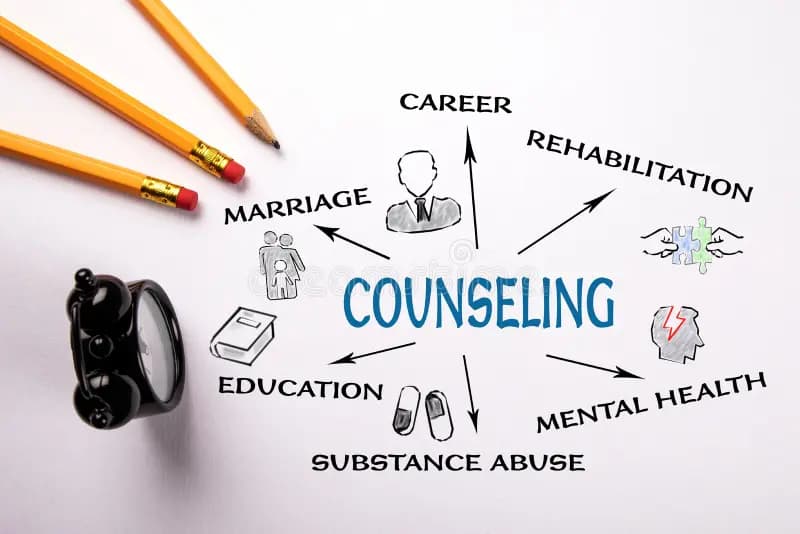
About the Career in Counselling
A Counsellor is a mental health professional who offers guidance and support to individuals, couples, families, or groups facing emotional, psychological, or behavioral issues. Unlike giving direct advice, their role is to facilitate self-discovery and empowerment helping clients develop coping mechanisms, gain perspective, and work toward positive life changes.
- Core Focus: Improving clients overall well-being and mental health.
- Work Setting Variety: Schools, universities, hospitals, private practices, community health centers, corporate settings, and non-profits.
How to Build a Career in Counselling
Building a credible career in Counselling typically involves a structured journey of education, practical experience, and professional recognition.
| Step | Requirement | Key Action |
|---|---|---|
| Step 1: Foundational Education | A Bachelors degree (often in Psychology, Social Work, or Education). | Provides a fundamental understanding of human behavior and development. |
| Step 2: Advanced Training | A Masters degree in Counselling, Clinical Psychology, or a specialized field (e.g., Career Counselling, School Counselling). | Essential for most licensed/certified roles; includes theory and practical skills. |
| Step 3: Practical Experience | Completing supervised internships or practicums. | Hands-on experience under a licensed professional to apply learned techniques. |
| Step 4: Certification & Licensure | Obtaining necessary state or national licensure/certification (requirements vary by country/specialty). | Demonstrates competency and authorizes independent practice. |
| Step 5: Specialization & Growth | Choosing a niche (e.g., addiction, trauma, couples) and pursuing ongoing professional development. | Helps stand out and provides expertise in high-demand areas. |
Roles and Responsibilities of a Counsellor
The day-to-day work of a counsellor focuses heavily on building trust and facilitating client growth.
| Category | Key Responsibilities |
|---|---|
| Client Interaction |
|
| Professional Duties |
|
Key Skills Required
A successful counsellor needs a blend of soft (interpersonal) skills and technical (therapeutic) competencies.
Core Interpersonal Skills (Soft Skills):
- Empathy: The ability to genuinely understand and share the feelings of another
- Unconditional Positive Regard: Accepting and supporting the client without judgment
- Genuineness/Congruence: Being authentic and transparent in your interactions
- Patience and Tolerance: Maintaining a non-reactive and supportive presence
Technical/Therapeutic Skills:
- Active Listening: Beyond hearing, interpreting verbal and non-verbal cues
- Questioning Techniques: Using open-ended and probing questions to encourage self-reflection
- Reflection and Summarization: Restating client information to ensure clarity and highlight themes
- Boundary Setting: Maintaining a professional distance to prevent emotional burnout and preserve the therapeutic relationship
Key Skills Required
A successful counsellor needs a blend of soft (interpersonal) skills and technical (therapeutic) competencies.
Core Interpersonal Skills (Soft Skills):
- Empathy: The ability to genuinely understand and share the feelings of another
- Unconditional Positive Regard: Accepting and supporting the client without judgment
- Genuineness/Congruence: Being authentic and transparent in your interactions
- Patience and Tolerance: Maintaining a non-reactive and supportive presence
Technical/Therapeutic Skills:
- Active Listening: Beyond hearing, interpreting verbal and non-verbal cues
- Questioning Techniques: Using open-ended and probing questions to encourage self-reflection
- Reflection and Summarization: Restating client information to ensure clarity and highlight themes
- Boundary Setting: Maintaining a professional distance to prevent emotional burnout and preserve the therapeutic relationship
Career Opportunities in Counselling
The demand for counsellors is strong across various sectors. Opportunities often depend on your specialization and level of qualification.
- Educational Settings:
- School Counsellor: Helping students with academic, personal, and social development.
- Career Counsellor: Guiding individuals on vocational choices, job searches, and career transitions.
- Academic Counsellor: Advising on course selection and educational paths.
- Healthcare & Mental Health:
- Clinical Mental Health Counsellor: Diagnosing and treating mental and emotional disorders.
- Addiction Counsellor: Working with individuals and families affected by substance abuse.
- Rehabilitation Counsellor: Assisting people with disabilities to achieve personal and vocational goals.
- Community & Private:
- Marriage and Family Therapist (MFT): Focusing on relational dynamics within couples and families.
- Crisis/Trauma Counsellor: Providing immediate support following a traumatic event.
- Private Practice Counsellor: Offering services independently, often specializing in a niche area.
Pros and Cons of a Counselling Career
Its important for prospective counsellors to understand the realities of the profession.
| Pros (Advantages) | Cons (Challenges) |
|---|---|
| Deep Job Satisfaction: Helping people achieve significant life improvements is immensely rewarding. | Emotional Drain/Burnout: Constantly listening to trauma and distress can be taxing (requires strong self-care). |
| Career Growth: The mental health sector is growing, leading to stable and expanding opportunities. | Lengthy Path to Licensure: Requires significant time for advanced degrees and supervised experience (6+ years). |
| Flexible Work: Private practice or part-time roles can offer control over your schedule. | Administrative Burden: Solo practitioners must handle marketing, billing, scheduling, and paperwork. |
| Personal Growth: The work promotes self-awareness and emotional intelligence in the practitioner. | Financial Instability (Early Career): Building a steady client base, especially in private practice, can take time. |
| Variety of Specialization: Opportunities to focus on a niche that aligns with your passion. | Isolation: Solo practice can be professionally isolating; supervision is crucial. |