
Pilot
Table of Content
How to Become a Professional Pilot
About the Career
Do you dream of soaring through the skies? A career as a pilot offers the opportunity to turn that dream into reality while enjoying a challenging and rewarding profession.
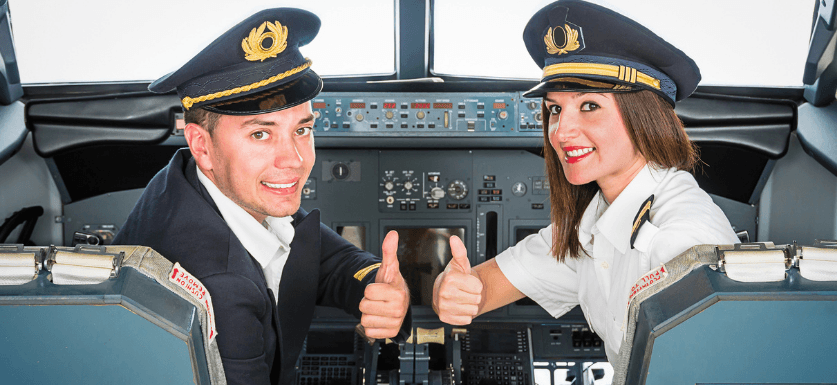
Pilots are responsible for operating aircraft to transport passengers and cargo safely and efficiently. This career requires extensive training, technical knowledge, and strong decision-making skills to handle various flight conditions.
The aviation industry is experiencing significant growth, with Boeing projecting a need for over 600,000 new pilots globally in the next 20 years. This creates excellent opportunities for aspiring aviators.
Pilots enjoy competitive salaries, travel benefits, and the unique satisfaction of mastering complex aircraft systems while navigating the skies.
Career Opportunities
Airline Transport Pilot
Fly for commercial airlines on domestic and international routes.
Commercial Pilot
Work in charter operations, cargo flights, or aerial services.
Corporate Pilot
Fly private jets for corporations and high-net-worth individuals.
Flight Instructor
Train the next generation of pilots at flight schools.
Military Pilot
Serve in air forces flying various military aircraft.
Helicopter Pilot
Specialize in rotary-wing aircraft for various services.
Agricultural Pilot
Perform specialized crop-dusting and agricultural services.
Roles and Responsibilities
Flight Operations
- Pre-flight aircraft inspection and systems checks
- Flight planning including route and fuel calculations
- Communicating with air traffic control
- Monitoring weather conditions and making adjustments
- Operating aircraft controls during all phases of flight
Safety Management
- Ensuring compliance with all aviation regulations
- Managing emergency situations
- Performing risk assessments
- Maintaining situational awareness
- Leading cabin crew in safety procedures
Administrative Duties
- Completing flight logs and documentation
- Reporting technical issues to maintenance
- Participating in recurrent training
- Staying current with aviation regulations
- Managing crew resources
Key Skills Required
Technical Skills
- Aircraft systems knowledge
- Navigation and meteorology
- Instrument flying procedures
- Avionics operation
- Emergency procedures
Cognitive Skills
- Spatial awareness
- Quick decision-making
- Multitasking ability
- Problem-solving under pressure
- Strong memory retention
Professional Skills
- Communication and teamwork
- Leadership and responsibility
- Stress management
- Discipline and professionalism
- Continuous learning
Pros and Cons
Pros
- Exciting and dynamic work environment
- Opportunity to travel the world
- Competitive salary and benefits
- Strong sense of accomplishment
- Job stability with industry growth
Cons
- Significant training costs and time investment
- Irregular schedules and time away from home
- High responsibility and stress levels
- Stringent medical requirements
- Industry vulnerability to economic conditions