
Aircraft Maintenance Engineering
Table of Content
How to Become an Aircraft Maintenance Engineer
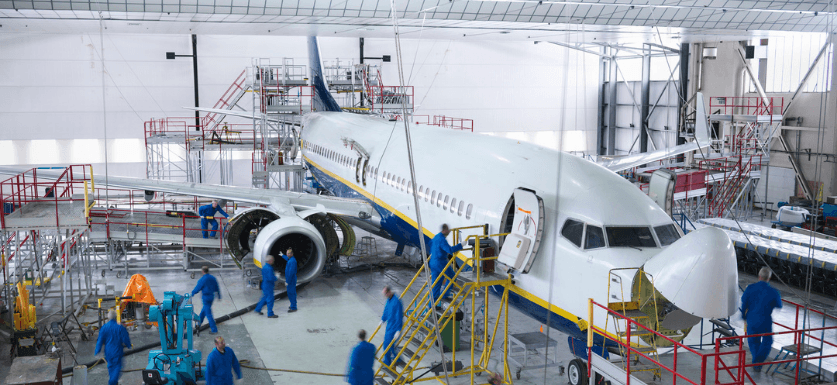
About the Career
Aircraft Maintenance Engineers (AMEs) are the backbone of aviation safety, ensuring aircraft remain in perfect working condition for every flight.
AMEs are licensed professionals responsible for inspecting, maintaining, and repairing aircraft to meet strict safety standards. They work on all aircraft systems including engines, airframes, avionics, and electrical systems.
With global air traffic growing steadily, there is a consistent need for new maintenance technicians, creating excellent job prospects in this field.
This career offers stable employment, competitive salaries, and the satisfaction of knowing your work directly contributes to flight safety.
Career Opportunities
Line Maintenance Engineer
Perform routine maintenance and troubleshooting at airports between flights.
Base Maintenance Engineer
Conduct major inspections and overhauls in hangar facilities.
Avionics Specialist
Specialize in aircraft electronic and instrument systems.
Engine Specialist
Focus on turbine or piston engine maintenance and repair.
Quality Control Inspector
Ensure all maintenance meets regulatory standards.
Maintenance Planner
Schedule and coordinate maintenance activities for fleets.
Aircraft Modification Engineer
Implement upgrades and modifications to existing aircraft.
Roles and Responsibilities
Maintenance Operations
- Perform scheduled and unscheduled maintenance
- Diagnose mechanical and electrical problems
- Repair or replace defective components
- Conduct post-repair testing
- Keep detailed maintenance records
Inspection Duties
- Perform pre-flight and post-flight inspections
- Conduct routine A/B/C/D checks
- Inspect for corrosion, wear, and damage
- Use specialized testing equipment
- Verify compliance with airworthiness directives
Certification
- Certify aircraft as airworthy after maintenance
- Sign off on maintenance release documents
- Ensure compliance with regulatory requirements
- Maintain personal certification currency
- Stay updated on technical publications
Key Skills Required
Technical Skills
- Aircraft systems knowledge
- Mechanical and electrical troubleshooting
- Reading technical manuals and schematics
- Using specialized tools and equipment
- Non-destructive testing techniques
Analytical Skills
- Problem diagnosis and solving
- Attention to detail
- Understanding complex systems
- Interpreting technical data
- Decision-making under pressure
Professional Skills
- Teamwork and communication
- Time management
- Safety consciousness
- Regulatory compliance
- Continuous learning
Pros and Cons
Pros
- High demand with excellent job security
- Competitive salary with overtime opportunities
- Hands-on work with cutting-edge technology
- Clear career progression path
- International job opportunities
Cons
- Physically demanding work environment
- Shift work including nights and weekends
- High responsibility for safety
- Need for continuous certification
- Exposure to noise and weather elements